

Religious leaders have expressed concern over what they describe as declining standards in Qur’anic teaching in Uganda, warning that improper instruction methods risk distorting the meaning and accuracy of Islam’s holy text.
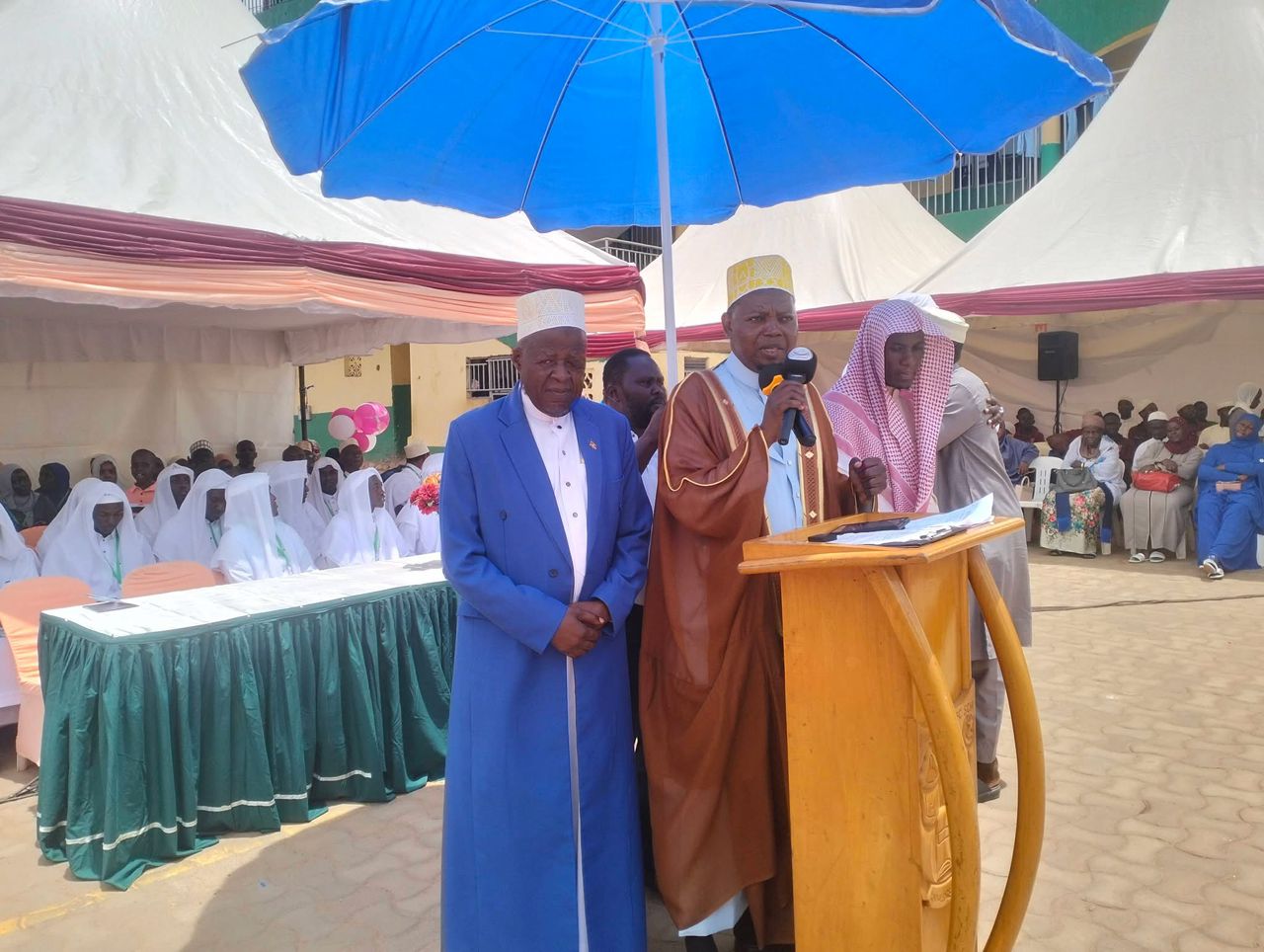
The warning was issued by Sheikh Hafidh Muhammad Harunah Bukenya, the 2nd Deputy Mufti, during a Qur’an memorisation graduation ceremony held at Bilal Islamic Schools in Bwaise, Kawempe Division.
Representing the Mufti of Uganda, Sheikh Shaban Ramadhan Mubaje, Bukenya said the Muslim community had previously faced challenges in maintaining proper Qur’anic teaching standards, with cases where learners recited verses in local dialects instead of the original Arabic.
He said the trend had once threatened the integrity of Qur’anic preservation.
“It reached a point where the Qur’an risked losing its original form and message,” he said, describing the situation as a major setback for Islamic scholarship in the country.
The remarks came during the graduation of 18 Qur’an memorizers, shifting attention from celebration to broader concerns about quality control in religious education, even as enrolment in memorisation programmes continues to grow.
Bukenya credited reforms introduced through structured Islamic training institutions for reversing the decline, saying standardised teaching methods have improved accuracy in recitation and strengthened confidence in Qur’anic studies.
At the same event, Bilal Islamic Schools administrator Sheikh Muhammad Kamoga said the institution, established in 2011, has produced graduates who have gone on to compete internationally, reflecting progress in Islamic education standards.
He noted that growing interest in memorisation programmes shows continued demand for structured religious education despite earlier challenges.
However, leaders cautioned that sustaining these gains requires continued commitment from teachers, parents, and institutions to ensure proper instruction methods are maintained.
The ceremony, attended by Muslim leaders and local representatives including Erias Luyimbaazi Nalukoola, formed part of broader efforts within Uganda’s Muslim community to strengthen religious education and moral grounding.
Sheikh Bukenya urged graduates to go beyond memorisation and apply Qur’anic teachings in daily life, stressing that knowledge must be reflected in conduct.
